
The Complete Guide to Planning Your First Tanzania Safari
Planning your first Tanzania safari is exciting — and, if you're new to it, a little overwhelming. Which park do you visit? When should you go? How much does it really cost, and what should you pack?
At Bush Paw Safaris, we've guided countless first-time travelers through this exact planning process. This guide walks you through everything you need to know, step by step, so you can book your trip with confidence.
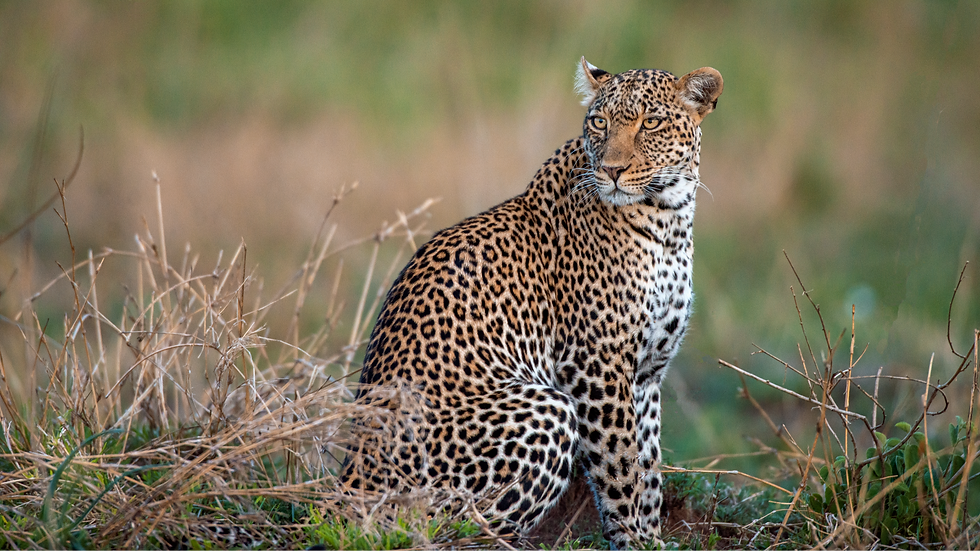
Why Tanzania Is the Ultimate First Safari Destination
Tanzania is home to the Serengeti, the Ngorongoro Crater, and the annual Great Migration — arguably the most concentrated collection of wildlife spectacles on the planet. For a first safari, that matters: you get incredible sightings without needing prior safari experience or a complicated multi-country itinerary.
Tanzania also offers a range of safari styles, from budget camping trips to luxury lodges, so it's easy to build a trip that fits your comfort level and budget.
Step 1: Decide When to Go
Tanzania is a year-round safari destination, but timing changes what you'll see.
June to October (Dry Season): The most popular time. Animals gather around water sources, making sightings easier. This period also covers the Great Migration river crossings in the northern Serengeti (roughly July–September).
December to February: Warm, mostly dry, and a great time to see the migration's calving season in the southern Serengeti — thousands of wildebeest calves are born within weeks.
March to May (Green/Rainy Season): Fewer tourists, lush scenery, lower prices — but some roads can be muddy and certain camps close.
First-timer tip: If seeing the Great Migration is a priority, tell your safari operator your travel dates early, since the herds move through different parks depending on the month.
Step 2: Choose Your Parks and Circuit
Tanzania's safari areas are generally grouped into circuits:
Northern Circuit (most popular for first-timers)
Serengeti National Park — vast plains, big cats, and the Great Migration
Ngorongoro Crater — a natural amphitheater packed with wildlife, including rare black rhinos
Tarangire National Park — huge elephant herds and baobab trees
Lake Manyara National Park — flamingos, tree-climbing lions, and lush forest
Southern Circuit (less crowded, more remote)
Nyerere National Park (formerly Selous) and Ruaha National Park — excellent for wildlife with far fewer vehicles, ideal if you've already done a first safari and want something quieter
For a first trip, the Northern Circuit is usually the easiest and most rewarding choice, since parks are close together and infrastructure is well developed.
Step 3: Set Your Budget
Safari costs in Tanzania vary widely depending on accommodation style, season, and length of trip.
Budget safaris: Camping-based trips with shared vehicles are the most affordable way to experience the parks.
Mid-range safaris: Comfortable lodges or permanent tented camps with private or small-group vehicles.
Luxury safaris: Premium lodges, private guides, and extras like hot air balloon rides or bush dinners.
Park entrance fees, vehicle costs, and guide fees are typically bundled into your safari package price. Ask your operator for a clear cost breakdown that separates park fees, accommodation, transport, and meals so there are no surprises.
Step 4: Pick the Right Length of Trip
3–4 days: A solid introduction, usually covering Serengeti and Ngorongoro.
5–7 days: The sweet spot for first-timers — enough time to add Tarangire or Lake Manyara without feeling rushed.
8+ days: Ideal if you want to combine the Northern Circuit with a Zanzibar beach extension afterward.
First-timer tip: Many travelers combine a safari with a few days on Zanzibar's beaches afterward — it's a natural, low-effort add-on since flights connect easily from the northern safari airstrips.
Step 5: Understand Entry Requirements
Most nationalities need a visa for Tanzania, available online in advance or on arrival at major entry points — check current requirements before booking flights.
A yellow fever vaccination certificate may be required depending on your travel history; check current health requirements with your doctor or embassy.
Make sure your passport has at least 6 months' validity remaining.
Step 6: Pack Smart
A good Tanzania safari packing list includes:
Neutral-colored clothing (khaki, olive, tan) — avoid bright colors and all-white or all-black
A warm layer for early morning game drives, even in the dry season
Sunscreen, a hat, and sunglasses
Binoculars (a huge upgrade for spotting distant wildlife)
A basic first-aid kit and any personal medications
A camera with a zoom lens, plus extra batteries or a power bank
Comfortable, closed-toe shoes
Most camps and lodges offer laundry service, so you can pack lighter than you think.
Step 7: Choose the Right Safari Operator
This is the step that matters most. A great operator will:
Build an itinerary around your interests, budget, and travel dates
Use experienced, knowledgeable local guides
Be transparent about pricing and inclusions
Have strong, verifiable reviews from past travelers
At Bush Paw Safaris, this is exactly how we work — every itinerary is tailored to the traveler, with experienced guides who know the parks intimately and a clear, honest breakdown of costs from the start.
Common First-Time Safari Mistakes to Avoid
Packing too much: Most camps have laundry service; you don't need a week's worth of clothes.
Booking too tight a schedule: Long drives between parks are part of the experience — don't over-pack your itinerary.
Ignoring travel insurance: Always get coverage that includes emergency evacuation.
Choosing the cheapest option without checking inclusions: Compare what's actually included (park fees, meals, transport) before comparing prices.
Frequently Asked Questions
How many days do I need for my first Tanzania safari? Five to seven days is ideal for first-timers, giving you enough time to visit the Serengeti and Ngorongoro Crater without feeling rushed.
What is the best time of year to see the Great Migration? The dramatic river crossings typically happen from July to September in the northern Serengeti, while the calving season runs from January to February in the southern Serengeti.
Is Tanzania safe for first-time safari travelers? Yes. Tanzania has a well-established tourism industry, and reputable operators prioritize safety with experienced guides and well-maintained vehicles.
Can I combine a safari with a beach holiday? Absolutely — Zanzibar is a popular add-on, easily reached by a short flight from the northern safari circuit.
Do I need to be an experienced traveler to go on safari? Not at all. A good operator handles logistics, permits, and route planning, so first-timers can focus on enjoying the experience.
Ready to Plan Your First Tanzania Safari?
Every great safari starts with the right planning — and the right partner. At Bush Paw Safaris, we design personalized itineraries for first-time travelers, handling every detail so you can focus on the experience of a lifetime.


Comments